Yves Werner · 1 September 2026
The European Union has approved substantial funding to advance organic vineyard cultivation across the Tavora region. This support targets sustainable practices that align with broader environmental objectives while safeguarding the area's longstanding viticultural traditions. Local producers will use the resources to adopt methods that reduce chemical inputs and enhance soil health.
Grant Allocation and Objectives
The allocated grants total 4.2 million euros and will benefit more than 60 vineyards in the coming three years. Funds cover certification processes, equipment for natural pest management, and training programs on biodiversity. Producers must demonstrate measurable reductions in synthetic fertilizers within the first 18 months. The initiative supports the EU Farm to Fork strategy by promoting a 50 percent cut in pesticide use by 2030. Regional authorities will oversee distribution through a transparent application system open until the end of the year.
Additional measures include subsidies for cover cropping and native pollinator habitats. These steps aim to improve resilience against climate variability while maintaining yields of traditional grape varieties. Early adopters report improved grape quality and lower long-term operational costs after initial conversion periods.
Preserving Tavora's Cultural Landscape
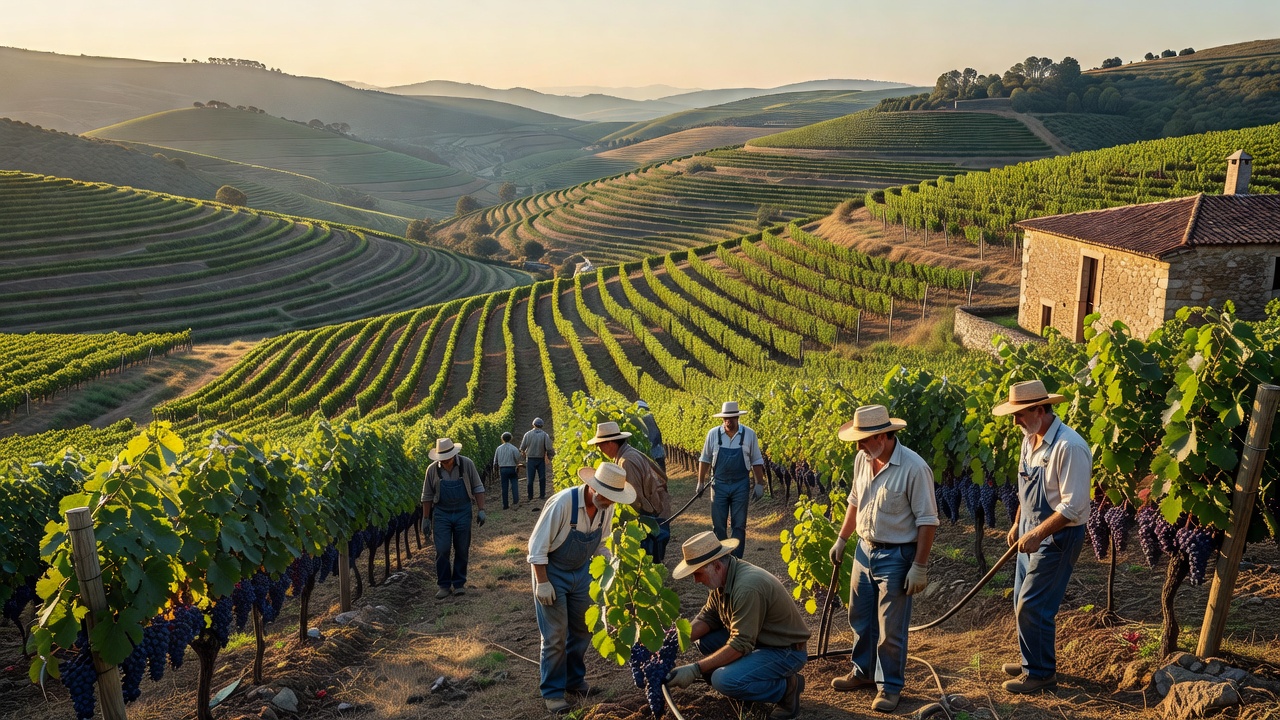
Organic conversion reinforces the heritage value of Tavora's terraced vineyards and historic winemaking techniques passed down through generations. Indigenous cultivars benefit from chemical-free environments that protect genetic diversity. The program also encourages documentation of traditional knowledge to support educational outreach and rural tourism. Economic analyses project 120 new seasonal jobs and increased visitor numbers drawn to certified organic estates. Long-term monitoring will track both ecological gains and contributions to local identity preservation.
Stakeholders emphasize that the grants strengthen community ties to the land without altering established production scales. Continued EU backing positions Tavora as a model for balanced heritage conservation and modern agricultural standards.