Casey Washington · 1 September 2026
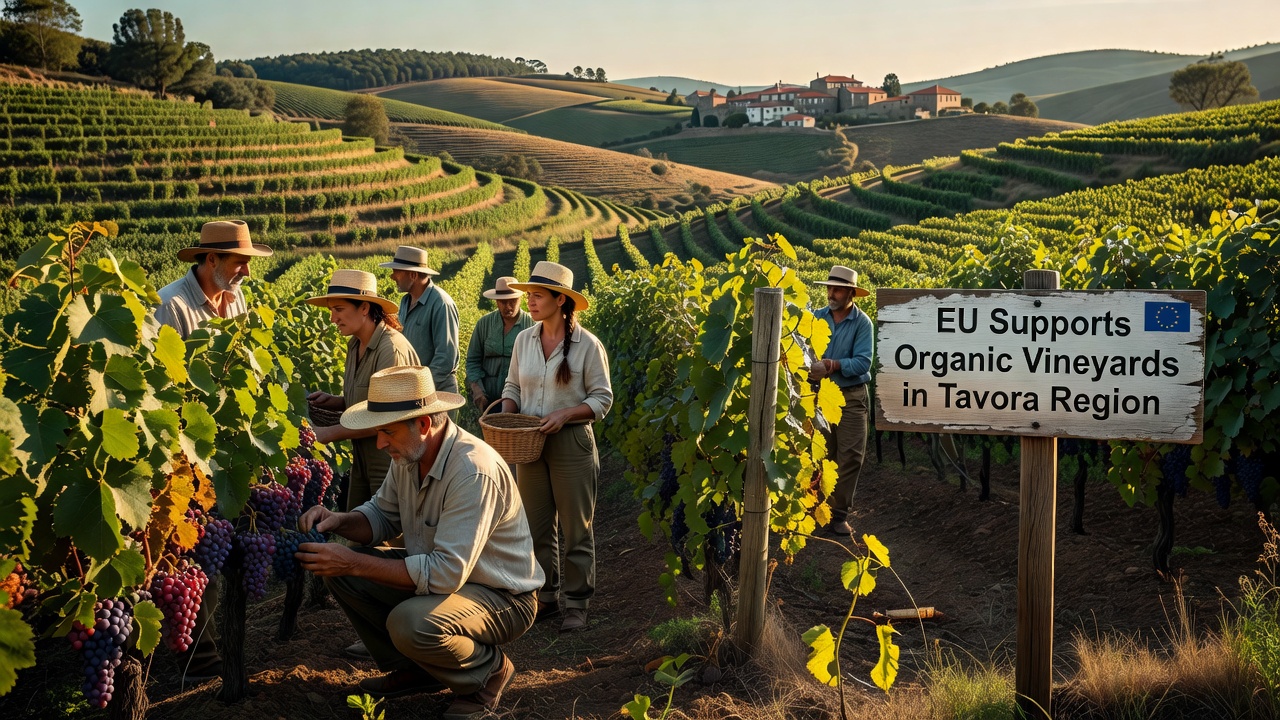
The European Union has approved a substantial grant aimed at bolstering organic vineyard practices in the Tavora area, known for its longstanding tradition in wine production and cultural heritage preservation. This initiative seeks to promote sustainable agriculture while maintaining the unique characteristics of the local terroir.
Scope of the Funding Initiative
The grant, totaling several million euros, will be distributed over the next five years to local producers who commit to organic certification. Key objectives include reducing chemical inputs, enhancing biodiversity, and improving soil health. Experts from the EU agricultural department have highlighted the importance of such projects in combating climate change effects on traditional wine regions. Local farmers are expected to benefit from training programs and access to new technologies for monitoring vineyard health. Furthermore, the funding supports research into indigenous grape varieties that are well-adapted to the Tavora climate, ensuring the continuation of heritage practices passed down through generations. The program also facilitates collaboration between small-scale producers and larger cooperatives to share best practices and resources effectively. Additional support is provided for marketing campaigns that highlight the organic produce from Tavora, aiming to increase market access both domestically and internationally.
Preservation of Regional Heritage
Beyond economic gains, the project emphasizes the cultural significance of Tavora's vineyards, which form an integral part of the regional identity. Historical sites associated with ancient winemaking will receive indirect support through community engagement activities. This holistic approach ensures that environmental sustainability aligns with the protection of intangible heritage, such as traditional festivals and knowledge systems related to viticulture. Stakeholders anticipate increased tourism as the organic status attracts eco-conscious visitors from across Europe. Community leaders have expressed optimism about the long-term benefits, including job creation and strengthened local economies dependent on agriculture. Monitoring committees will ensure compliance with EU standards throughout the implementation phase. The initiative is seen as a model for other heritage regions seeking to balance modernization with tradition preservation.