Otto Wolf · 1 September 2026
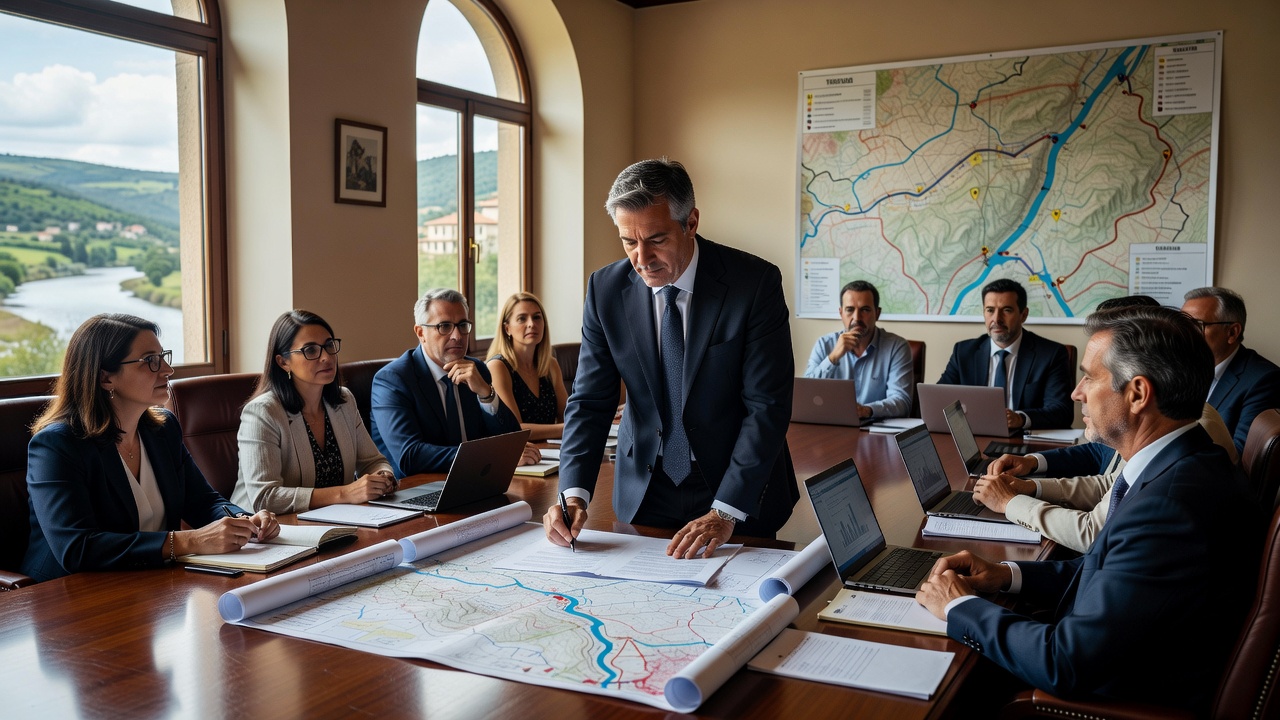
The Tavora Council has unanimously approved a major flood defense initiative for the valley, aimed at protecting residential areas, agricultural lands, and cultural landmarks from seasonal flooding. The decision follows extensive consultations with engineers, environmental experts, and local heritage groups. The project will involve constructing reinforced embankments along key river sections and installing advanced drainage systems. Officials estimate the work will begin next spring and take approximately 18 months to complete.
Project Specifications and Timeline
Engineers have designed a series of earth-filled barriers reaching up to four meters in height, complemented by automated floodgates at critical points. These measures will divert excess water into designated retention basins located on the valley outskirts. The total budget stands at 12.4 million euros, funded through regional grants and council reserves. Public consultations revealed strong support, with 78 percent of respondents favoring the plan. Construction will prioritize minimal disruption to daily life, with phased road closures and temporary pedestrian routes. Monitoring stations equipped with real-time sensors will track water levels and alert authorities during heavy rainfall events.
Local farmers have welcomed the initiative, noting that past floods have repeatedly damaged crops and irrigation infrastructure. The defenses are projected to safeguard over 2,200 hectares of productive land. Environmental assessments confirm that the design incorporates wildlife corridors and native vegetation to maintain ecological balance. Regular progress reports will be published on the council website throughout the construction phase.
Protection for Regional Heritage Assets
Heritage sites within the valley stand to benefit significantly from the enhanced protections. Several historic mills, bridges, and archaeological locations dating back to the medieval period lie in flood-prone zones. Preservation specialists have collaborated on the project to ensure that construction techniques avoid disturbing subsurface remains. The flood defenses will also reduce erosion risks around ancient stone structures that have withstood centuries of environmental stress. Council members emphasized that safeguarding these assets aligns with broader goals of maintaining Tavora's cultural identity for future generations. Community volunteers will assist in documenting any discoveries made during groundwork. The completed system is expected to provide reliable defense against floods exceeding a 100-year return period, offering long-term security for both residents and the region's irreplaceable historical legacy.